
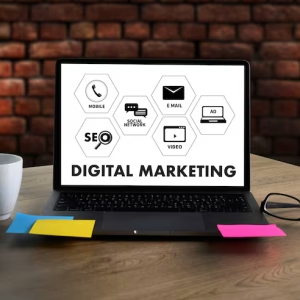
Digital Marketing Strategies for Small Businesses: A Complete Guide to Growing Your Business Online
In these days digital world, having a strong online presence is essential for corporations of all sizes.For small companies, digital marketing and advertising offers an opportunity to achieve capability clients, assemble logo focus, and growth profits with out spending big portions of coins on conventional advertising.
Whether you run a small on line keep, a nearby service business, a home made crafts commercial business enterprise, or a startup, the right digital marketing and advertising techniques allow you to connect with your target market and develop your corporation sustainably.
In this blog, we are able to discover practical digital advertising techniques that small businesses can use to reach the right audience, build customer trust, and increase conversions.
What Is Digital Marketing?
Digital advertising is the approach of promoting products, offerings, or manufacturers through on line systems and virtual channels. It permits companies connect with potential customers where they spend loads in their time — on engines like google like google, social media, net net web sites, and email.
Unlike traditional advertising and marketing, digital advertising allows businesses to purpose specific audiences, song advertising and marketing marketing campaign normal performance, and adjust their strategies based totally mostly on measurable consequences.
Some vital digital marketing channels encompass:
– Search Engine Optimization (searching for engine advertising)
– Social Media Marketing (SMM)
– Content Marketing
– Search Engine Marketing (SEM)
– Email Marketing
– Paid Advertising
– Influencer Marketing
For small groups, combining a few suitable channels can create a sturdy on line marketing and advertising technique.
Why Is Digital Marketing Important for Small Businesses?
Small companies often face traumatic conditions together with restricted budgets, robust opposition, and issue undertaking new customers. Digital advertising and marketing and advertising and advertising can help triumph over some of those traumatic conditions thru low fee and measurable promotional strategies.
Digital marketing permits businesses to cause human beings based on factors which include region, hobbies, age, on line behavior, and searching for motive. This allows organizations display their products or services to audiences who can be really fascinated.
For example, a home made present corporation can use social media content material fabric material and targeted advertising to reap human beings interested in gadgets, birthdays, anniversaries, and precise events.
2. Build Brand Awareness
A ordinary on line presence permits human beings understand and don’t forget your employer. Regularly sharing useful content material, product updates, patron evaluations, and brand recollections can boom reputation and make your industrial business corporation enterprise extra familiar to capability clients.
3. Promote Products with a Limited Budget
Small companies do no longer usually want a massive marketing and advertising price variety to start advertising and advertising and advertising on line. Organic content material, close by seek engine advertising and marketing, and thoroughly deliberate social media campaigns can assist companies attain capability customers.
Paid marketing moreover can be commenced with a managed price range and modified in step with overall performance.
4. Measure Marketing Results
Digital advertising and advertising gives beneficial average common performance data, collectively with internet website on-line visits, obtain, engagement, clicks, leads, and purchases. These insights help companies apprehend which techniques are going for walks and wherein enhancements are favored.
5. Build Customer Relationships
Digital platforms allow businesses to communicate directly with customers. Responding to messages, answering questions, sharing helpful information, and providing after-sales support can improve customer relationships and encourage repeat purchases.
1. Build a Professional Online Presence
The first step in digital marketing is creating a clear and trustworthy online presence. Customers should be able to understand what your business offers and how to contact you.
Create a Business Website
A website acts as a digital home for your business. It provides information about your products, services, prices, contact details, and business story.
An effective small-business website should include:
– A clear homepage that explains what the business offers.
– An About Us page that introduces the brand.
– Product or service pages with accurate descriptions.
– High-quality images or videos.
– Contact information and inquiry options.
– Customer reviews or testimonials.
– A clear call to action, such as “Shop Now,” “Contact Us,” or “Book a Service.”
A mobile-friendly website is especially important because many users browse the internet using smartphones.
Set Up a Google Business Profile
For businesses serving a specific area, a <escape>Google Business Profile</escape> can help potential customers discover the business in Google Search and Google Maps.
Keep your business name, address, phone number, opening hours, photos, and services updated. Encourage genuine customers to leave reviews and respond professionally to their questions.
Example: A local bakery can use its online profile to help nearby customers find its location, opening hours, and contact information.
2. Use Search Engine Optimization (SEO)
Search Engine Optimization, or SEO, is the process of improving a website and its content so that search engines can better understand it and users can discover it through relevant searches.
SEO can be particularly valuable for small businesses because it may attract visitors who are actively looking for a product or service.
Important SEO Strategies
Keyword Research
Keywords are the words and phrases people type into search engines. Businesses should identify keywords related to their products, services, and target audience.
For example, a handmade gift business could target keywords such as:
– Handmade gift hampers
– Personalized birthday gifts
– Custom gift boxes
– Affordable anniversary gifts
Use relevant keywords naturally in page titles, headings, descriptions, and website content.
Create Useful Content
Publish blogs, guides, and helpful articles that answer customers’ questions. Useful content can improve visibility and establish your business as a reliable source of information.
Optimize Website Pages
Make sure each page has a clear title, useful content, descriptive headings, and an appropriate meta description. Images should also have meaningful alternative text.
Improve Website Speed
A website that loads quickly provides a better user experience. Optimize images, reduce unnecessary elements, and ensure that the website works properly on mobile devices.
Focus on Local SEO
If your business serves a particular city or neighborhood, include relevant local information on your website and business profiles.
Important: SEO usually takes time. Consistent content, technical improvements, and genuine customer value are more sustainable than expecting immediate results.
3. Develop a Strong Social Media Marketing Strategy
Social media platforms provide small businesses with opportunities to showcase their products, communicate with customers, and build a community around their brand.
Platforms such as Instagram, Facebook, LinkedIn, and YouTube can be useful depending on the business type and target audience.
Choose the Right Platform
You do not need to be active on every social media platform. Focus on the channels where your potential customers are most likely to spend time.
For example:
– Instagram: Product visuals, reels, lifestyle content, and brand storytelling.
– Facebook: Local communities, business updates, customer communication, and advertising.
– LinkedIn: B2B marketing, professional services, and business networking.
– YouTube: Tutorials, product demonstrations, educational videos, and detailed reviews.
Create a Consistent Content Plan
A content calendar helps businesses organize what they will publish and when they will publish it.
Your content can include:
1. Educational content: Tips, tutorials, and helpful information.
2. Entertaining content: Relatable posts, creative videos, and engaging stories.
3. Inspirational content: Customer stories, success experiences, and motivational messages.
4. Promotional content: Product launches, offers, discounts, and new arrivals.
5. Engagement content: Polls, questions, quizzes, and customer feedback.
A good social media strategy should not focus only on selling. It should also provide value and encourage meaningful interaction.
4. Create Valuable Content Marketing
Content marketing involves creating and sharing useful, relevant, and consistent content to attract and retain a clearly defined audience.
For small businesses, content marketing can help build trust and explain why customers should choose their products or services.
Types of Content You Can Create
Blog Posts
Write articles that answer customer questions and solve common problems.
Example: A skincare business can publish a blog titled “Simple Skincare Tips for Beginners.”
Short-Form Videos
Reels and short videos can demonstrate products, explain services, share behind-the-scenes moments, or answer frequently asked questions.
Example: A handmade crafts business can create a video showing how a gift hamper is prepared.
Infographics
Infographics present information in a simple visual format. They are useful for explaining processes, tips, comparisons, and statistics.
Customer Testimonials
Real customer feedback can help potential buyers understand the quality and experience associated with your business.
Behind-the-Scenes Content
Show how your products are created, packaged, or delivered. This can make your brand feel more authentic and relatable.
Follow the Content Marketing Rule
Try to balance promotional content with educational, entertaining, and engaging content. The exact ratio can vary depending on your audience and business goals.
The goal is to create content that helps people before asking them to buy.
5. Use Paid Advertising Strategically
Paid advertising helps businesses reach a selected audience through platforms such as Meta Ads, Google Ads, and other digital advertising networks.
For small businesses, paid ads can be useful when launching a product, generating leads, promoting an offer, or increasing website traffic.
Meta Ads
Meta Ads can help businesses advertise across platforms such as Facebook and Instagram, depending on the campaign setup and available placements.
Common campaign objectives include:
– Awareness
– Traffic
– Engagement
– Leads
– Sales
How to Plan a Small-Business Ad Campaign
Step 1: Define Your Goal
Decide what you want the campaign to achieve. For example, your goal may be to generate WhatsApp inquiries, receive lead-form submissions, or increase online purchases.
Step 2: Identify Your Target Audience
Understand your ideal customer’s location, interests, needs, and purchasing behavior. Choose targeting options that are relevant to your campaign.
Step 3: Create Attractive Ad Creative
Use clear images, videos, headlines, and messages that explain the value of your product or service.
Step 4: Set a Controlled Budget
Start with a budget that your business can afford. Monitor performance and make changes based on the results.
Step 5: Track Conversions
Measure meaningful actions such as purchases, qualified leads, bookings, or inquiries rather than focusing only on likes and impressions.
Example: A small gift business can run a sales or messaging campaign promoting personalized birthday hampers to a relevant audience.
6. Use Email Marketing to Build Customer Loyalty
Email marketing is a useful way to communicate directly with customers and maintain long-term relationships.
It allows businesses to share updates, offers, helpful information, and personalized messages with people who have chosen to receive communications.
Effective Email Marketing Ideas
– Welcome emails for new subscribers.
– Product announcements.
– Special offers and seasonal promotions.
– Helpful tips and educational newsletters.
– Order confirmations and customer updates.
– Follow-up messages after a purchase.
– Re-engagement emails for inactive subscribers.
Best Practices
Use clear subject lines, provide useful content, and make emails easy to read on mobile devices. Always collect email addresses responsibly and provide an appropriate way for recipients to unsubscribe.
Email marketing works best when businesses focus on delivering value rather than sending excessive promotional messages.
7. Improve Your Local Marketing Strategy
Local marketing is especially important for businesses that serve customers in a specific geographical area.
Examples include restaurants, salons, tuition centers, boutiques, bakeries, repair services, and local shops.
Practical Local Marketing Methods
1. Keep your Google Business Profile accurate and updated.
2. Use location-based keywords naturally in website content.
3. Share local offers and business updates on social media.
4. Encourage genuine customer reviews.
5. Collaborate with nearby businesses.
6. Participate in local events and community activities.
7. Use location-specific advertising when appropriate.
Example: A local café can promote a new breakfast menu to nearby customers through social media, local search visibility, and location-based advertising.
8. Build Trust Through Customer Reviews and Testimonials
Trust plays an important role in a customer’s buying decision. People often look for reviews, recommendations, and evidence of product quality before making a purchase.
Small businesses can build trust by:
– Displaying genuine customer reviews.
– Sharing real product images.
– Showing customer experiences with permission.
– Providing clear pricing and policies.
– Responding professionally to feedback.
– Offering reliable customer service.
– Avoiding misleading claims.
Positive reviews can support purchasing decisions, but businesses should never create fake reviews or manipulate customer feedback.
9. Use Influencer and Community Marketing
Influencer marketing involves collaborating with content creators who have an audience relevant to your business.
Small businesses do not always need to work with large influencers. Depending on the campaign, smaller creators with an engaged and relevant audience may be suitable.
How to Choose a Suitable Creator
Consider:
– Audience relevance.
– Engagement quality.
– Content style.
– Location of the audience.
– Previous brand collaborations.
– Budget and expected deliverables.
– Transparency about sponsored content.
For example, a handmade jewelry business may collaborate with a local fashion or lifestyle creator to demonstrate its products.
Community marketing can also involve partnerships with local businesses, customer groups, and online communities where promotional participation is appropriate.
10. Use WhatsApp and Direct Communication Effectively
For many small businesses, customers prefer asking questions through messaging platforms before making a purchase.
WhatsApp Business and social media messaging can help businesses manage customer inquiries and provide product information.
Useful Communication Practices
– Respond to messages within a reasonable time.
– Share clear product details and prices.
– Provide delivery or service information.
– Use professional and friendly language.
– Confirm customer requirements before processing orders.
– Follow up appropriately after inquiries.
– Avoid sending unwanted promotional messages.
A quick and helpful response can make the buying process easier and improve the customer experience.
11. Create a Clear Conversion Strategy
Attracting visitors and gaining social media followers are useful, but businesses also need to guide interested people toward meaningful actions.
A conversion occurs when a user completes a desired action, such as making a purchase, submitting a form, booking a service, or sending an inquiry.
Improve Your Conversion Rate
Use Clear Calls to Action
Tell customers what to do next.
Examples:
– Shop Now
– Contact Us
– Request a Quote
– Book Your Service
– Order Today
– Learn More
Make the Buying Process Simple
Avoid unnecessary steps. Make it easy for customers to understand the product, choose an option, and complete an inquiry or purchase.
Display Important Information Clearly
Include prices, delivery details, product specifications, return policies, and contact options where relevant.
Build Trust at the Decision Stage
Use genuine reviews, clear policies, secure payment options, and accurate product information to help customers make informed decisions.
12. Track Performance Using Digital Marketing Metrics
One of the major benefits of digital marketing is the ability to measure results.
Tracking the right metrics helps businesses understand whether their marketing activities are contributing to their goals.
Metric| What It Measures
Reach| Number of unique users who saw your content or ad.
Impressions| Number of times content or an ad was displayed.
Engagement| Interactions such as likes, comments, shares, and saves.
Click-Through Rate (CTR)| Percentage of impressions that resulted in clicks.
Website Traffic| Visitors arriving at your website.
Leads| Potential customers who submit an inquiry or contact information.
Conversion Rate| Percentage of relevant visitors or users who complete a desired action.
Cost Per Lead (CPL)| Advertising cost divided by the number of leads generated.
Return on Ad Spend (ROAS)| Attributed revenue divided by advertising spend.
Why Metrics Matter
Suppose a business spends ₹1,000 on an advertising campaign and receives 20 inquiries. The cost per inquiry is:
₹1,000 ÷ 20 = ₹50 per inquiry
This calculation helps the business understand the cost of generating inquiries. However, a low cost per inquiry does not automatically mean the campaign is successful. The quality of leads, actual purchases, profit margins, and other business goals must also be considered.
13. Common Digital Marketing Mistakes Small Businesses Should Avoid
Even with a limited budget, businesses can improve their marketing by avoiding common mistakes.
1. Trying Every Platform at Once
Managing too many platforms without a clear plan can reduce consistency and quality. Start with the channels most relevant to your audience.
2. Focusing Only on Sales
Constantly promoting products without providing value may reduce audience engagement. Share useful and relevant content alongside promotional posts.
3. Ignoring the Target Audience
Marketing messages should address the needs, problems, and interests of the people you want to reach.
4. Using Poor-Quality Content
Unclear images, confusing captions, and inconsistent branding can affect how people perceive your business.
5. Not Tracking Results
Without performance data, it becomes difficult to identify which campaigns and content are contributing to business goals.
6. Expecting Immediate Results
SEO, content marketing, and brand building often require time and consistent effort. Paid advertising also needs testing and optimization.
7. Ignoring Customer Feedback
Customer questions and feedback can reveal opportunities to improve products, services, and marketing messages.
14. Create a Simple Digital Marketing Plan
A practical plan helps small businesses stay consistent and use their resources effectively.
Step 1: Define Your Business Goal
Choose a specific goal, such as increasing website inquiries, generating leads, promoting a new product, or increasing online sales.
Step 2: Identify Your Ideal Customer
Understand who your customers are, what they need, and how they search for products or services.
Step 3: Choose Your Marketing Channels
Select the platforms that best match your audience and available resources.
Step 4: Prepare a Content Calendar
Plan your weekly posts, videos, blogs, offers, and customer engagement activities.
Step 5: Set a Realistic Budget
Decide how much you can spend on content creation, advertising, tools, and other marketing activities.
Step 6: Launch and Monitor
Publish your content or start your campaign. Track the results an